For Almost Two Years, I Thought I Was Losing My Mind. Then I Figured Out What Was Actually Happening.
- Laura, project manager, Portland, OR
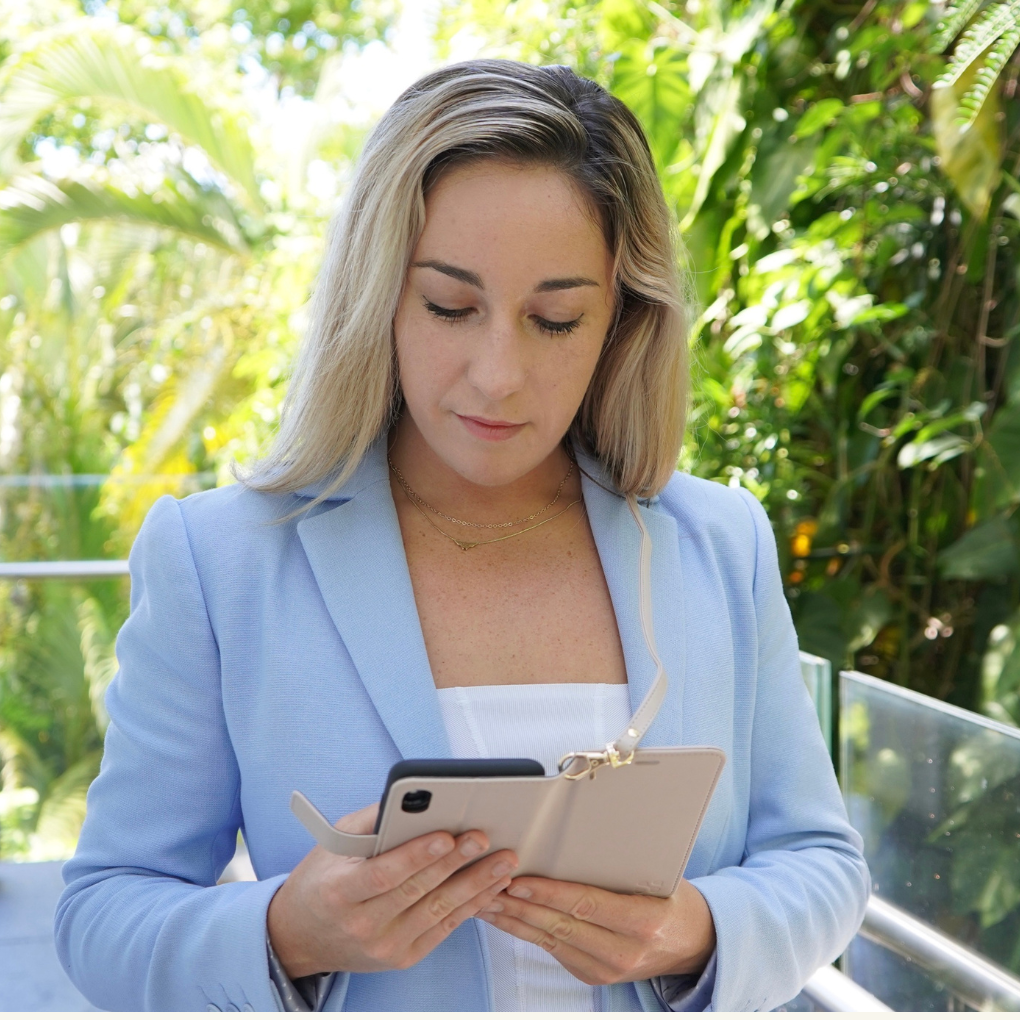
I used to love my job.
Working from home, flexible hours, no commute. My phone was my office...calls with clients, check-ins with my team, quick back-and-forths that kept everything moving. I was good at it. Efficient. My manager used to joke that I was the only person who actually picked up on the first ring.
And then something changed. Slowly, quietly, without any explanation I could point to. Picking up the phone started to feel like something I had to brace for.
Here's what I never told anyone, not even my husband, for a long time.
I started dreading phone calls.
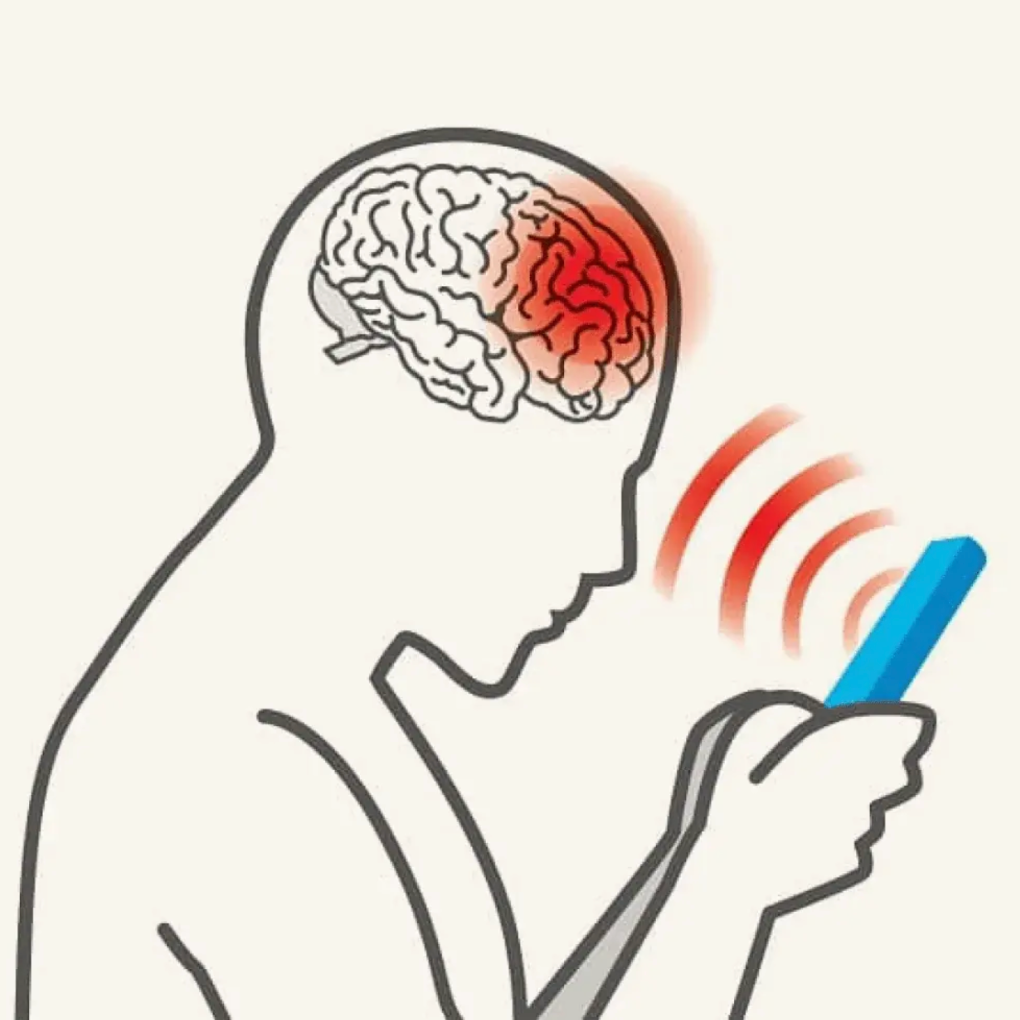
Not because of anxiety. Not because of anything going on at work. But because I knew what was coming — somewhere between ten and twenty minutes into a call, it would start. A dull, insistent pressure at my left temple. A warmth along the side of my face where I held the phone. By the end of a long call, I’d have a headache that would sit with me for the rest of the afternoon, making it hard to concentrate, hard to be present with my kids at dinner, hard to feel like myself.
I didn’t say anything because I didn’t know what I would say. “I think phone calls are giving me headaches” sounds like something you say when you’re looking for an excuse to avoid your in-laws — not a real medical complaint.
So I kept it to myself and tried to figure it out on my own.
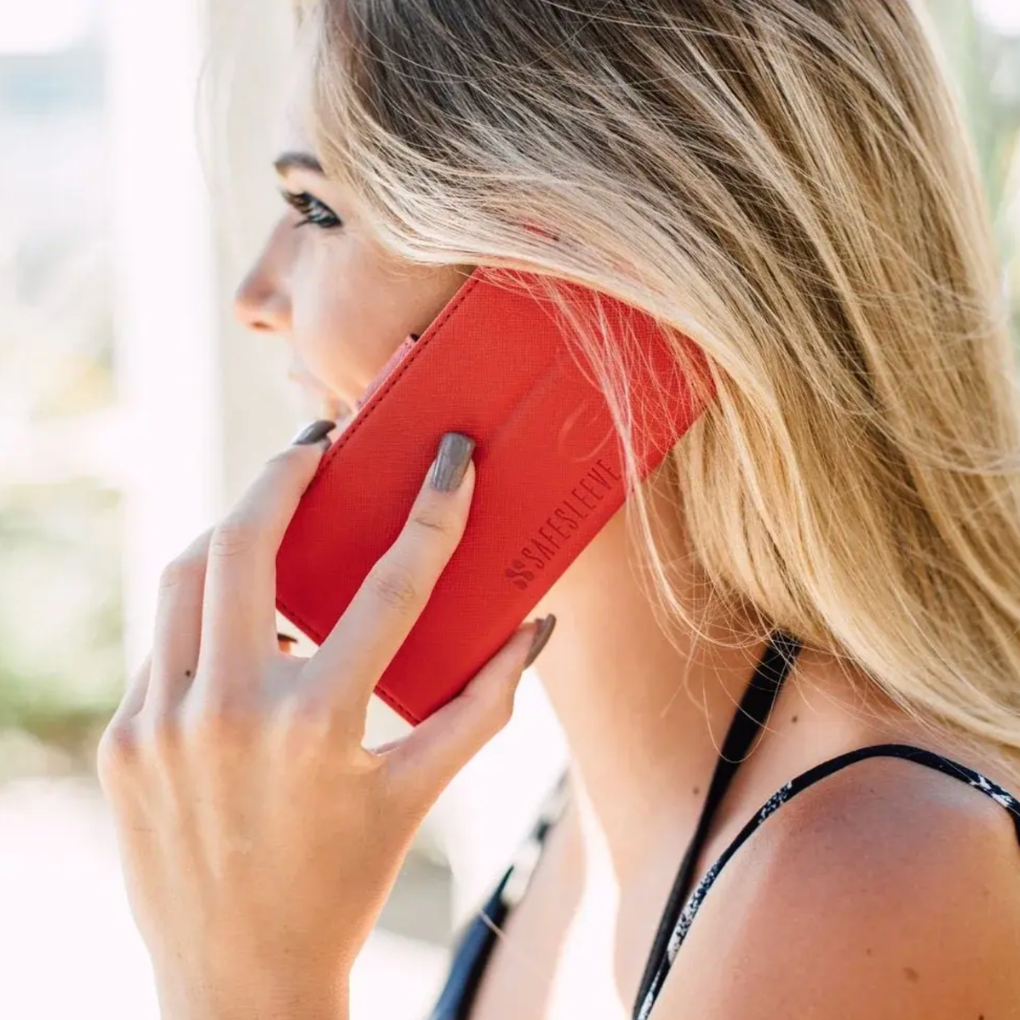
For almost a year, I chased every other explanation.
I got my eyes checked. New prescription and no difference. I cut back on caffeine. I started taking magnesium at night. I bought a better pillow. I drank more water than any one person should reasonably drink in a day.
The headaches kept coming.
What finally cracked it was almost accidental. I took a week off work, a real break, barely touched my phone, and felt completely fine. No headaches, no afternoon fog, no dull pressure behind my eye. I came back to work on a Monday, had three back-to-back calls by noon, and by 1 PM I was sitting at my desk with the familiar ache settling in behind my left temple.
I sat very still for a moment.
I thought about how many years I’d had this phone. I thought about how many hours a day I held it to my head. I thought about the fact that the problem disappeared when I wasn’t using it and came back the moment I did.
I started reading. I went down a long rabbit hole...YouTube videos, comment sections, research papers I only half understood. And what I found was that I wasn’t alone. Not even close. Comment section after comment section, hundreds of people describing the exact same thing: headaches after calls. Warmth on the side of the face. Brain fog. The feeling that something about the phone, specifically, was the problem.
“I am very sensitive to cell phone. Whenever I talk for more than a few minutes I’ll start to feel a headache. Many people don’t really believe me and they think I’m crazy.”
That was from a stranger on YouTube.


I read it and started crying.
Once I understood what I was dealing with, I started looking for solutions.
The first thing I tried was speaker mode. It helped, but I work from home. I have a seven-year-old and a five-year-old. Speaker mode during client calls is not a sustainable solution.
Then I found the EMF phone case category. Cases built with shielding material that claimed to block radiation before it reached you. The concept made sense to me. I ordered one.
It arrived in a nice box. Good reviews on the listing. Confident language about “lab-tested protection.” I put it on my phone and used it for two weeks, paying close attention to how I felt.
No difference. The headaches continued exactly as before.
I told myself I’d give the category one more shot. I found a different brand, slightly more expensive, slightly more authoritative-looking website, claims about independent testing. I ordered it, waited for it to arrive, and tried it for another two weeks.
Still nothing.
I’d spent close to $120 on two cases that didn’t work. More than that, I’d let myself hope, which, when it didn’t pan out, felt worse than not having tried at all.
“Just try to manage your stress.”
I eventually told my doctor about the headaches. Not the phone theory (I wasn’t ready to say that out loud in a medical office) just the headaches themselves, the pattern, the frequency.

She asked about sleep, hydration, stress levels.
She checked my blood pressure. She suggested I was probably under too much pressure working from home with two small kids and that I should try to carve out more time for myself.
She wasn’t wrong that I was under pressure. But I knew that wasn’t the whole picture.
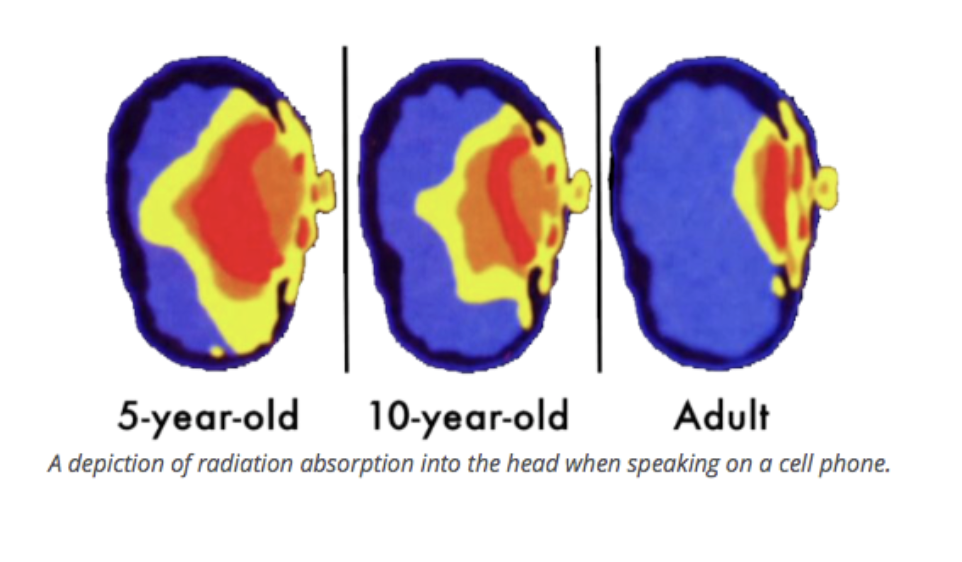
I tried, one more time, to find someone who would take the connection seriously. I found the FCC’s public guidelines on radio frequency exposure. I learned that those guidelines were last updated in 1996, based on research from the 1980s, and that they measured only whether radiation caused tissue heating, not what chronic long-term exposure might do over years of daily use.
I found that the WHO had classified RF fields as “possibly carcinogenic to humans” in 2011 and that classification had never been walked back.
I also found the comment sections.
“These reporters are just like the ones in the 70s and 80s saying cigarettes don’t cause cancer.” That was from someone who’d watched a news segment trying to dismiss EMF concerns. And I kept thinking about that comparison, not because I was certain the worst was true, but because the pattern felt familiar.
The confident reassurances. The outdated guidelines. The dismissal of the people who said something didn’t feel right.
I knew my headaches didn’t “just happen.” There was a cause. And I was getting tired of being told to manage my stress and drink more water.
I want to be honest with you about where I ended up, because I think if you’re reading this, you might be somewhere similar.

I was done.
Not just frustrated with the products. I was genuinely done with the idea that there was a solution. I’d tried the lifestyle changes. I’d tried the cases. I’d talked to my doctor. I’d done the research. And at the end of all of it, I was still dreading phone calls, still ending every heavy call day with a headache, still holding my phone like it was something I had to manage rather than a tool I could just use.
I remember sitting in my car one afternoon, I’d taken a call in the driveway to avoid disrupting the kids, and when I finally hung up after forty minutes, I just sat there with the headache building and thought: this is just how it is now. This is just my life.
I was forty-one years old and I had quietly stopped believing that a fix existed.
My husband knew something was wrong. He’d watched me go through the cases, the research, the frustration. He suggested, gently, that maybe I should just accept the speakerphone solution and move on. “You can’t change the phone,” he said. “You can only change how you use it.”
And he was right, probably. Practically.
But something in me, stubbornness maybe, or just the refusal to shrink my work life around a problem that
Look one more time.
I wasn’t optimistic when I went back to look. I was tired.
But this time I searched differently. Instead of looking at product listings, I started looking at what was actually behind the claims.

What I found was a category full of products that shouldn't work and mostly don't.
Stickers. Pendants. Snap-on cases with no front flap, no shielding layer between the phone and your face. Others cite "testing" that, when you dig into it, doesn't hold up...no third-party verification, no accredited lab. Some only address RF radiation, completely ignoring ELF, the magnetic field your phone's battery generates every time it's on. You can't block half the problem and call it protection.
The more I read, the more I understood why nothing I'd tried had worked. I hadn't found bad luck. I'd found a category that was mostly noise.
But there was one name that kept appearing in a different context, in the fine print, where real companies show their work.
Their testing was conducted at an FCC-accredited laboratory, the same accreditation standard used to certify the phones themselves, and the reports were publicly available. You could look at them. You could see exactly what was tested, on what frequencies, and what the results showed. That was different from everything else I'd encountered.
One reviewer described holding their detector to the front of the case and watching the reading drop dramatically. Another went through the test methodically and concluded it was “actually a very effective way to reduce radiation.”
These weren’t people with any reason to be generous. They were the same kind of tired, skeptical buyers I was. And they were seeing something I hadn’t seen from the other products I’d tried.

I ordered one. With very little hope left, I ordered one more case.
It arrived on a Wednesday.
I remember this because I had a full day of calls scheduled on Thursday, and I spent Wednesday evening putting it on my phone and just holding it. Looking at it.
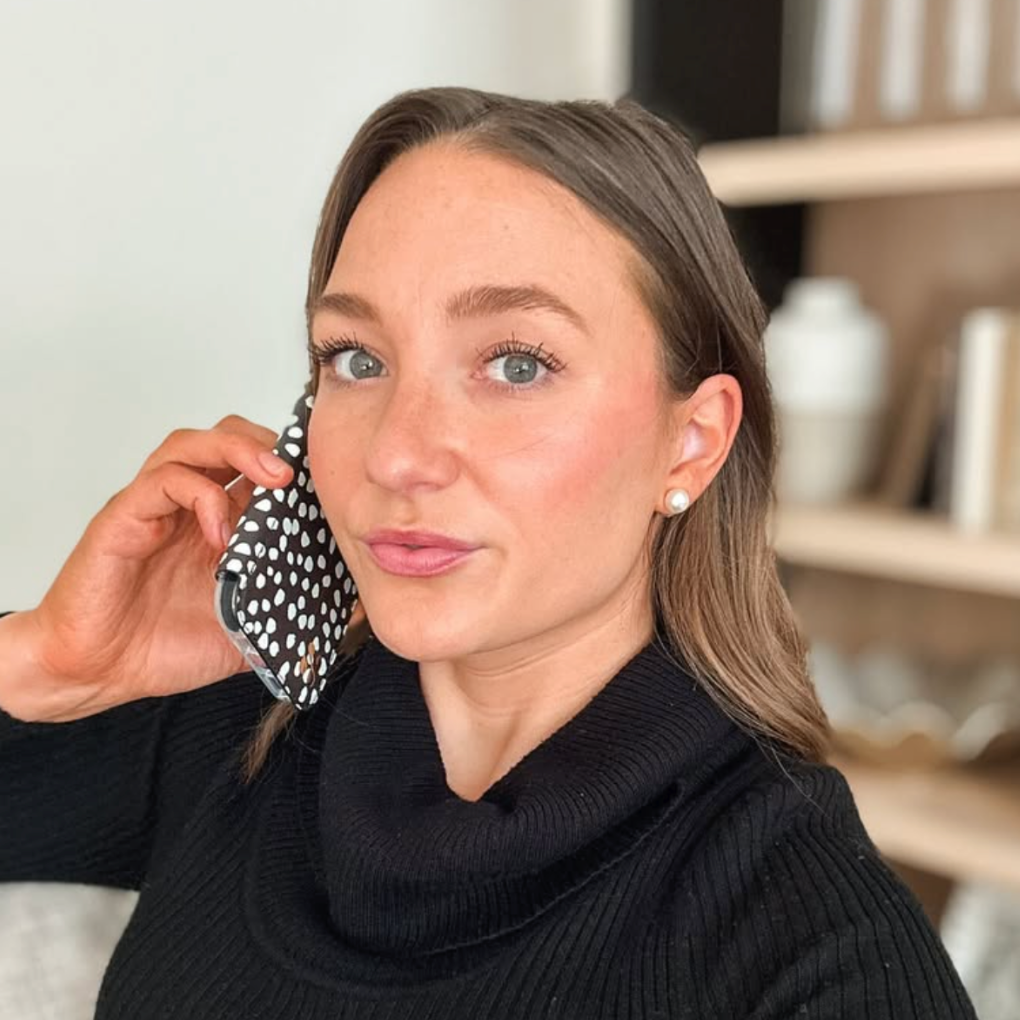
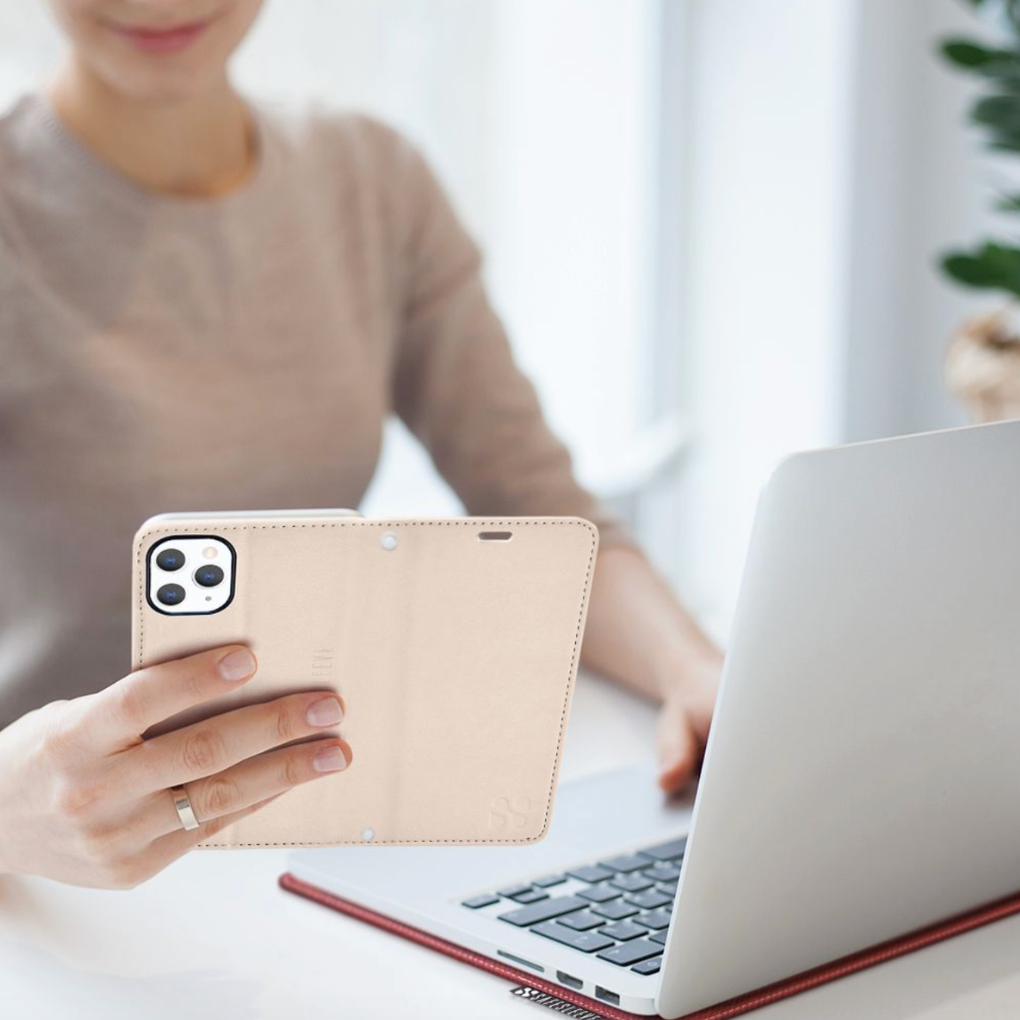
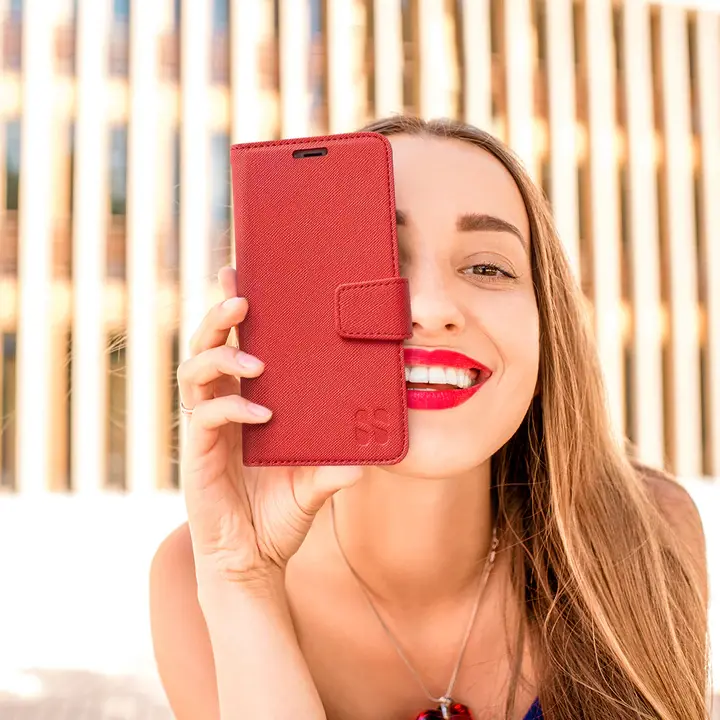
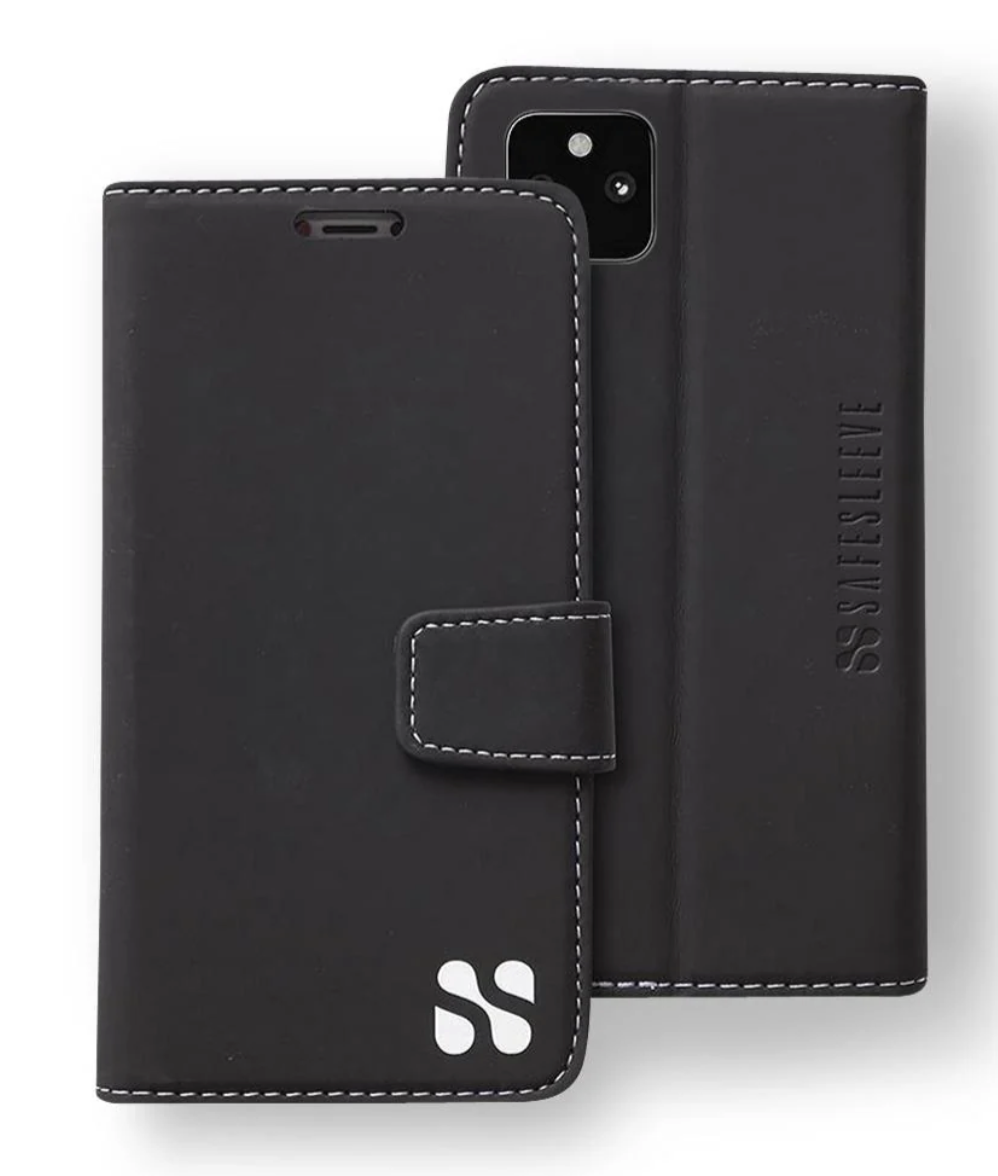
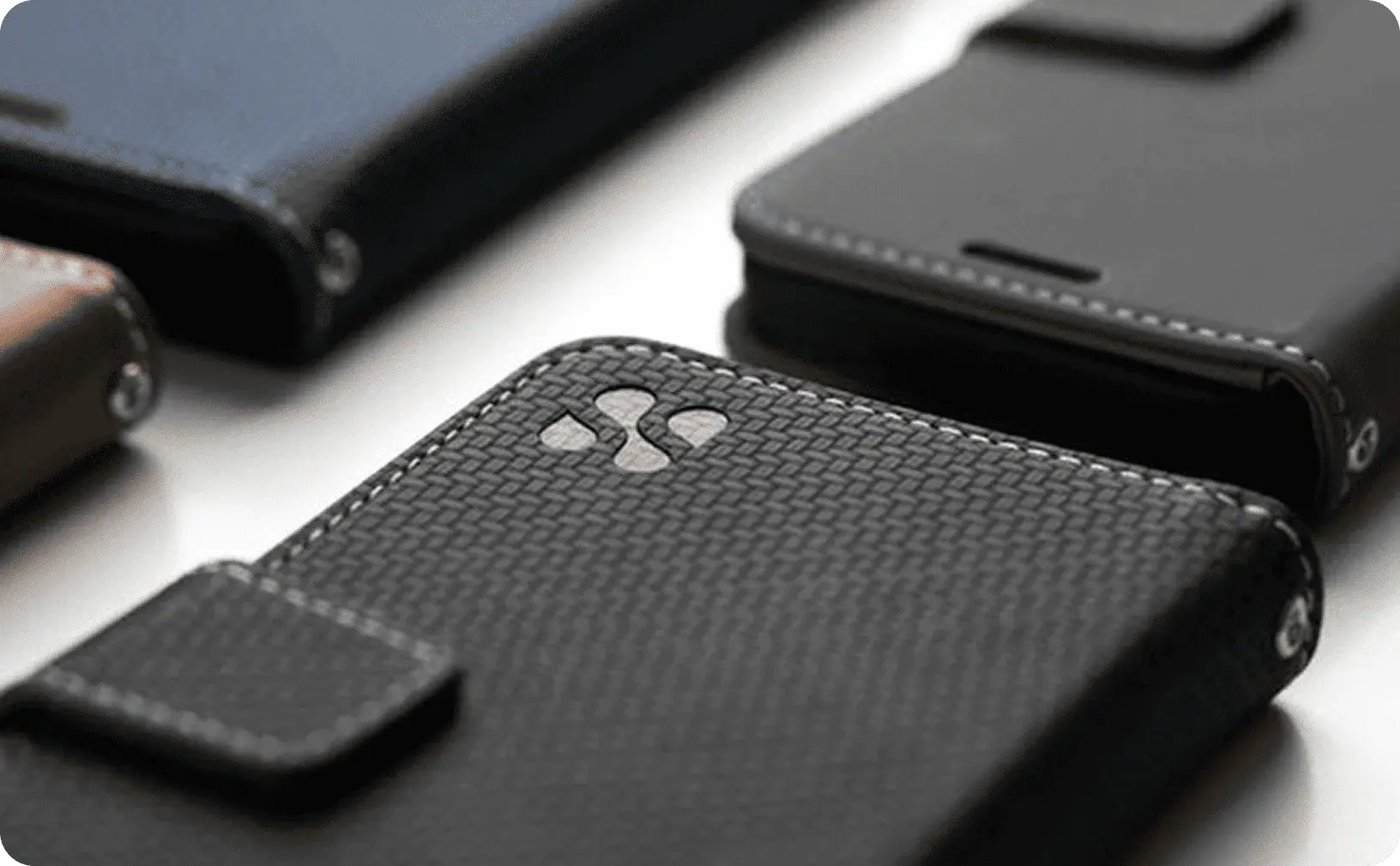
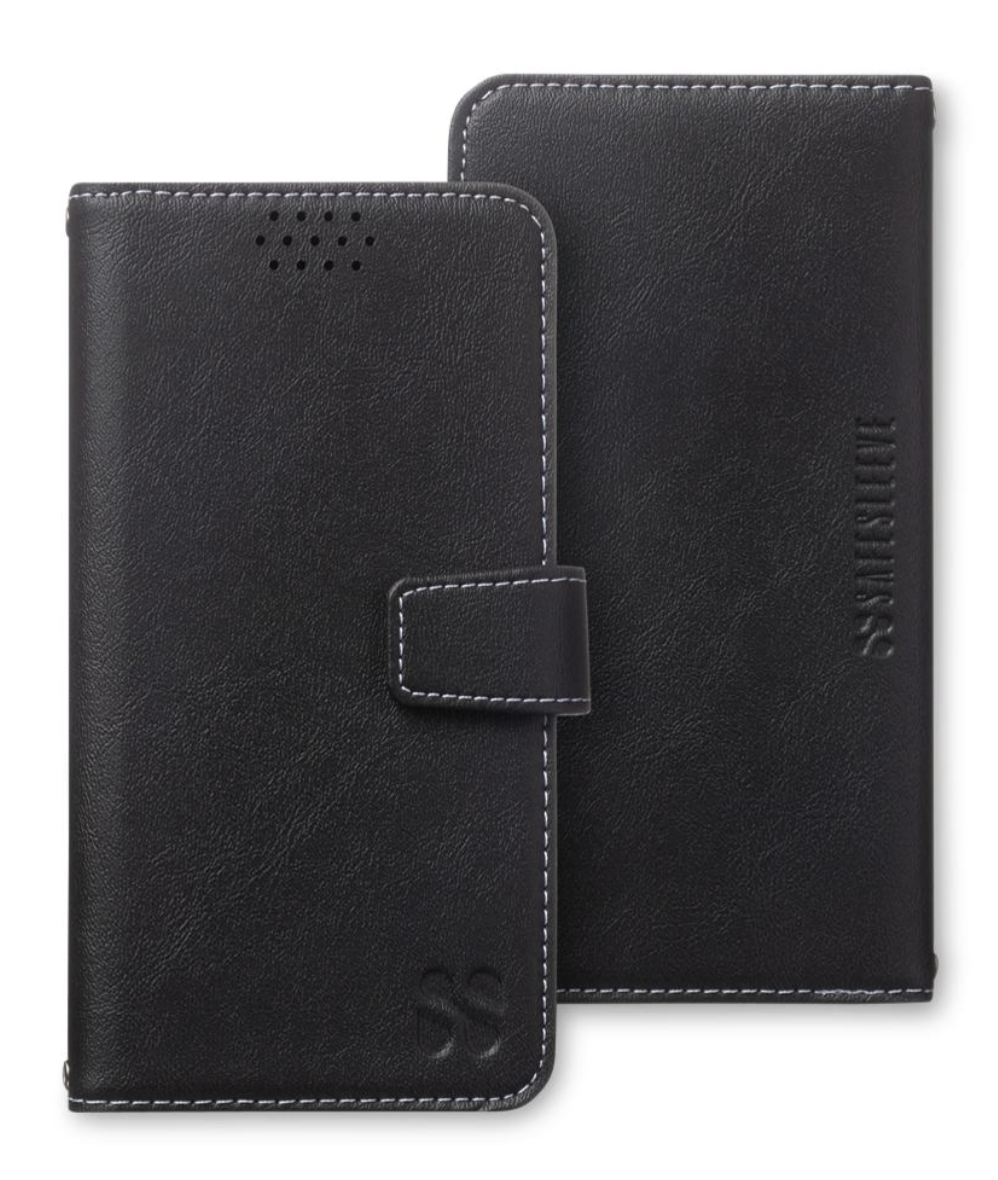
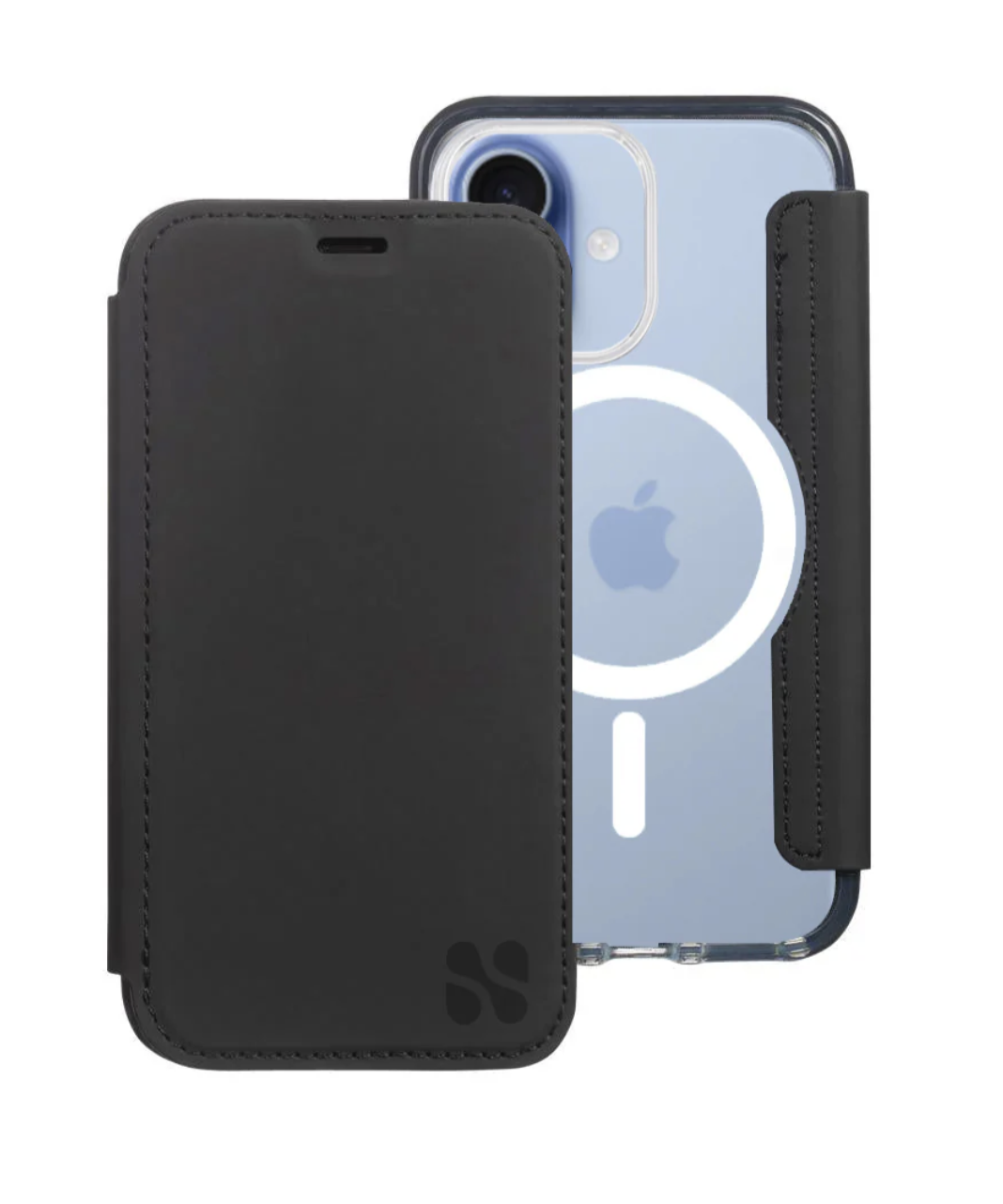
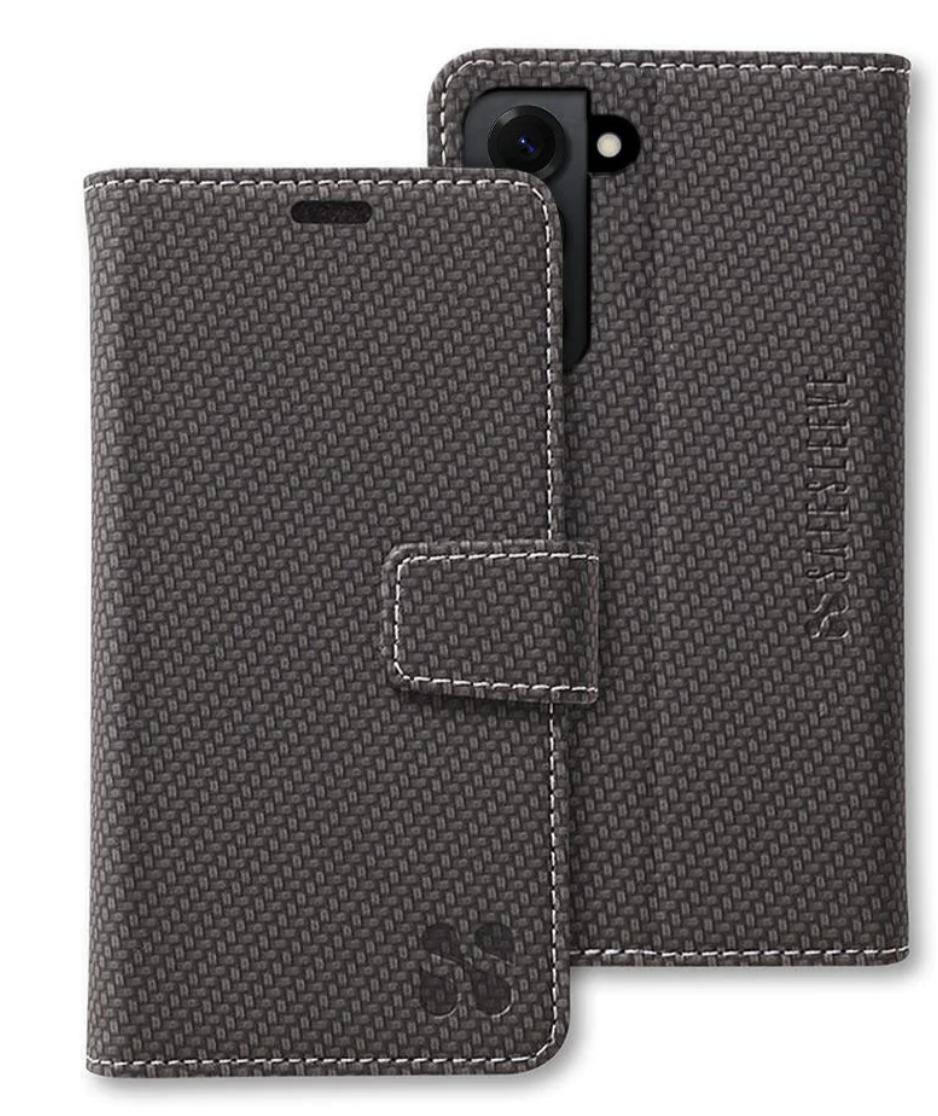
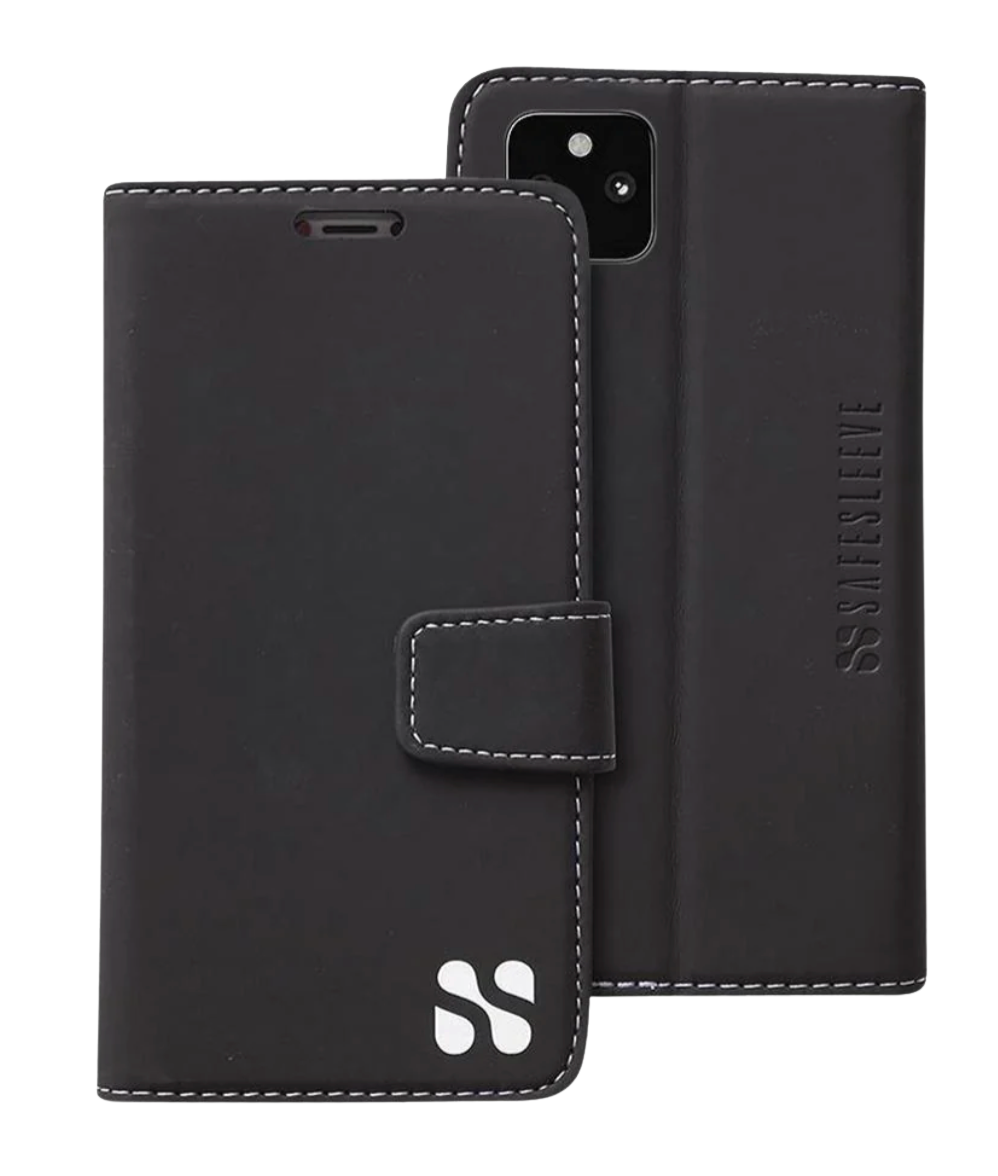
It looked like a normal leather wallet case. Nice quality. Card slots on the front flap. Nothing about it announced itself as a medical device or a protection product. You’d never know, looking at it, what was inside.
That mattered to me more than I’d expected. I didn’t want something that looked eccentric or dramatic. I just wanted something that worked and looked like a normal thing a normal person would carry.
What SafeSleeve has built into that front flap, the side that sits between the phone and your face, your head, your body, is a proprietary shielding layer independently tested at an FCC-accredited laboratory. Not tested by SafeSleeve.
Tested by a third-party lab.
The results: up to 99% of RF radiation blocked, over 92% of ELF radiation blocked, on the side that faces you.
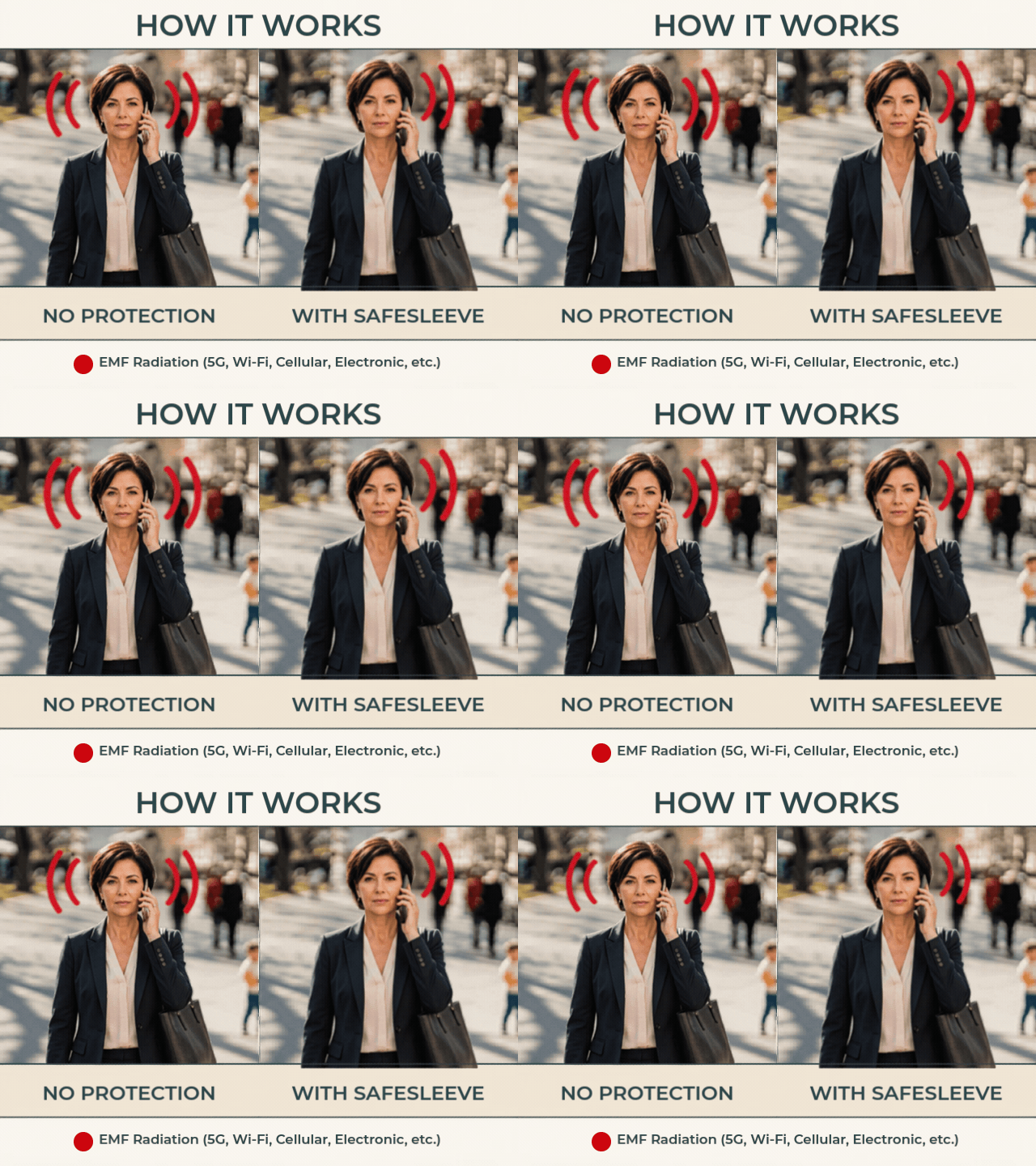
The back of the case, the side facing away from your body, is deliberately left unshielded. This is the detail that separates SafeSleeve from the other cases. An unshielded back means the phone can transmit normally to the cell tower, so it never needs to boost output to compensate. The signal path is clear. The protection is directional. Your calls work. The shielding faces you.
I had a full day of calls ahead of me. For the first time in almost two years, I picked up the phone without bracing.

Why SafeSleeve works when others don’t.
Here’s the thing that had frustrated me about the other cases, and what SafeSleeve’s design gets right.
When a phone is trying to transmit a signal, it radiates in all directions. A poorly designed shielding case, or sticker or pendant for that matter, that blocks transmission on one side will often cause the phone to compensate, boosting power output to maintain signal, which can actually increase radiation exposure on the unshielded side. This is why some EMF-blocking cases don’t work. The phone is working harder to get the signal through.
SafeSleeve solves this with directional shielding. The back of the case is unshielded, so the phone talks to the tower normally, no compensation needed. The front flap, the side that faces your face, your head, your body, is where the shielding material sits. Block where your body is. Leave the signal path open.
RF radiation is what your phone uses to communicate.
ELF radiation is the magnetic field generated by the battery and circuitry. Both are present every time you use your phone. SafeSleeve’s shielding addresses both, on the side that matters.
If you’ve been concerned about what years of daily exposure might mean, not catastrophizing, just paying attention, this is the practical step that addresses the actual mechanism.
I’m going to be careful here, because I don’t want to oversell this.
The first day wasn’t a miracle. My brain had learned to anticipate the headache. There was still a low hum of anxiety every time I picked up the phone, a kind of “here it comes” waiting.

Old habits don’t break in twenty-four hours.
But by the end of that first Thursday, a heavy call day, easily three hours total, the headache hadn’t arrived.
I noticed it the way you notice a sound that stops: not as a positive thing at first, but as an absence. The afternoon fog wasn’t there. The pressure behind my eye wasn’t building. I made dinner, helped with homework, sat with my husband after the kids went to bed, and realized I’d made it through a full work day feeling like myself.
I didn’t say anything. I didn’t want to jinx it.
By the end of the second week, I told my husband. “I think it’s working.” He was cautious, he’d watched me be hopeful before, but he’d noticed too. I was just easier to be around. Less worn down by the end of the day. Less short with the kids at dinner.
By the end of the month, I believed it.
The headaches that had sat with me, relentlessly, for almost two years, the ones my doctor had attributed to stress, the ones I’d tried to chase away with magnesium and new glasses and better pillows, were largely gone on call-heavy days.
My relationship with my phone is different now.
That sounds like a strange thing to say, but it’s true. I used to manage my calls, calculating which ones I could take on speaker, how long I’d been on the phone that day, whether I should push a call to the afternoon so I’d have time to recover.
There was a whole invisible spreadsheet running in the background of my workday.
That spreadsheet is gone.
I pick up the phone. I hold it to my ear. I have the conversation. I hang up. That’s it.


What SafeSleeve gave back to me isn’t dramatic.
There’s no before-and-after photo, no moment where I wept with relief. It’s quieter than that. It’s the absence of the thing I’d gotten so used to carrying that I’d stopped noticing how heavy it was.
My husband uses one now. I ordered one for my mother, she’s in her late sixties, talks on the phone far more than I do, and had started mentioning headaches that sounded familiar. I’ve bought cases for our kids for when they use a phone for video calls.
I’m not telling you this product will cure anything. I’m not making medical claims. What I’m telling you is what happened to me, and what happened to the people in my family who tried it.
I felt something. I couldn’t find a doctor or a guideline or a consensus position that fully acknowledged what I was feeling. But I found a product that addressed it, one I tested, and that worked, and my life is genuinely better than it was before I found it.
If you’re feeling something too, you deserve to find out if this can help you.


Ellen S.
“I am very sensitive to cellphones. Whenever I talk on the phone for more than a few minutes I’ll start to feel headache. Many people don’t really believe me and they think I’m crazy. SafeSleeve is the only product that has actually helped. I can answer the phone without the fear.”
Joan K.
“I have been using SafeSleeve for over 10 years. This is my third case. I’ve tried other brands in between and always come back. Nothing else gives me the same peace of mind.”

Ali C.
“I feel so at ease knowing I can now hold my phone up to my head without it being a risk. I bought cases for my whole family. My kids use them too. For the price and the peace of mind, it’s a no-brainer.”
SafeSleeve Anti-Radiation Phone Cases — Starting at $69.95
SafeSleeve has been making EMF-blocking phone cases for over a decade. Here’s what makes them different from everything else in this category:
FCC-Accredited Lab Testing — Not Self-Reported
Every claim SafeSleeve makes about blocking radiation is backed by independent testing at an FCC-accredited third-party laboratory. This is the same accreditation standard used to certify the devices themselves. You’re not taking SafeSleeve’s word for it. A certified lab verified it.
Directional Shielding — The Engineering That Matters
SafeSleeve’s shielding material lives in the front flap: the side that faces your head, your face, your chest, your body. The back of the case is unshielded, deliberately, so the phone can transmit normally to the cell tower without compensating by increasing its output. This is why the cases pass independent meter tests. The protection is where you need it. The signal path stays clear.
The numbers:
• Up to 99% of RF radiation blocked (the kind your phone uses to communicate)
• Over 92% of ELF radiation blocked (the magnetic field from the battery and circuitry)
• Tested on the actual frequencies your phone operates on
Looks Like a Normal Case
Top-grain leather exterior. Card slots. Slim profile. It looks like a quality wallet case because it is one. No one will ask you about it. No tinfoil-hat aesthetic, no conversation you don’t want to have.
A Decade of Repeat Customers
Jan Lokensgard has been buying SafeSleeve cases for over ten years and is on her third one. Nearly 5,000 verified ratings on a single Amazon SKU, averaging 4.4 stars. These are not people who tried it once, they’re people who keep coming back.
I’m not going to tell you this is a miracle product or that it will fix everything.
What I’ll tell you is that for close to two years, I had a problem I couldn’t solve. I tried the lifestyle changes. I tried the other products. I talked to my doctor. None of it worked. SafeSleeve did.
And if you’re somewhere in the middle of that same journey, exhausted from hoping and being disappointed, half-convinced there isn’t a real solution, I want you to know that the risk of trying this one more time is low.
SafeSleeve starts at $69.95 and comes with a 30-day trial. Use it for a month. Pay attention to how you feel. If nothing changes, send it back. No questions.
That’s it. Thirty days to find out for yourself.
After almost two years of headaches and frustration and the quiet accumulation of dread that builds when you have a problem nobody takes seriously, thirty days felt like a small ask. It was.
What you get with SafeSleeve
✅ Blocks up to 99% of RF radiation — independently tested at an FCC-accredited lab, not self-reported
✅ Blocks over 92% of ELF radiation — addresses both types of emission from your phone
✅ Directional shielding — protects where your body is without disrupting your signal
✅ Passes independent meter tests — third-party buyers confirm it on their own meters
✅ No signal loss — calls, GPS, and data work normally
✅ Looks like a quality leather wallet case — card slots, slim profile, no one knows what’s inside
✅ Cases for the whole family — all major iPhone and Android models
✅ 30-day trial — return it if it’s not what you were looking for
✅ Backed by over a decade of use — nearly 5,000 verified reviews, 4.4-star average
✅ FCC-accredited third-party lab testing — the standard that matters
You’re not crazy.
If you’re where I was...tired, a little hopeless, carrying something that nobody around you seems to fully believe is real...I want to say something to you directly: You're Not Crazy.
The thing you’re feeling is real to you. And the right response to something that might be a problem isn’t to catastrophize it or to dismiss it. It’s to find the most practical, testable solution available and give it a real chance.
That’s what SafeSleeve is. A practical step. One you can test in thirty days and return if it doesn’t help.
I’m just a person who was struggling with something and found something that worked. I’m not a doctor. I’m not a scientist. I’m someone who picked up the phone this morning without bracing for what was coming, and that, after two years, still feels like a small miracle.
I hope it does the same thing for you.
— Laura
P.S. — The thing nobody tells you is that a lot of the relief isn’t physical. It’s the relief of not having to manage it anymore. Of not running the calculation every time your phone rings. I didn’t realize how much mental energy that was costing me until it stopped. “Answering the phone without the fear” sounds simple. It isn’t, until it is.
SafeSleeve vs. Other Popular Brands
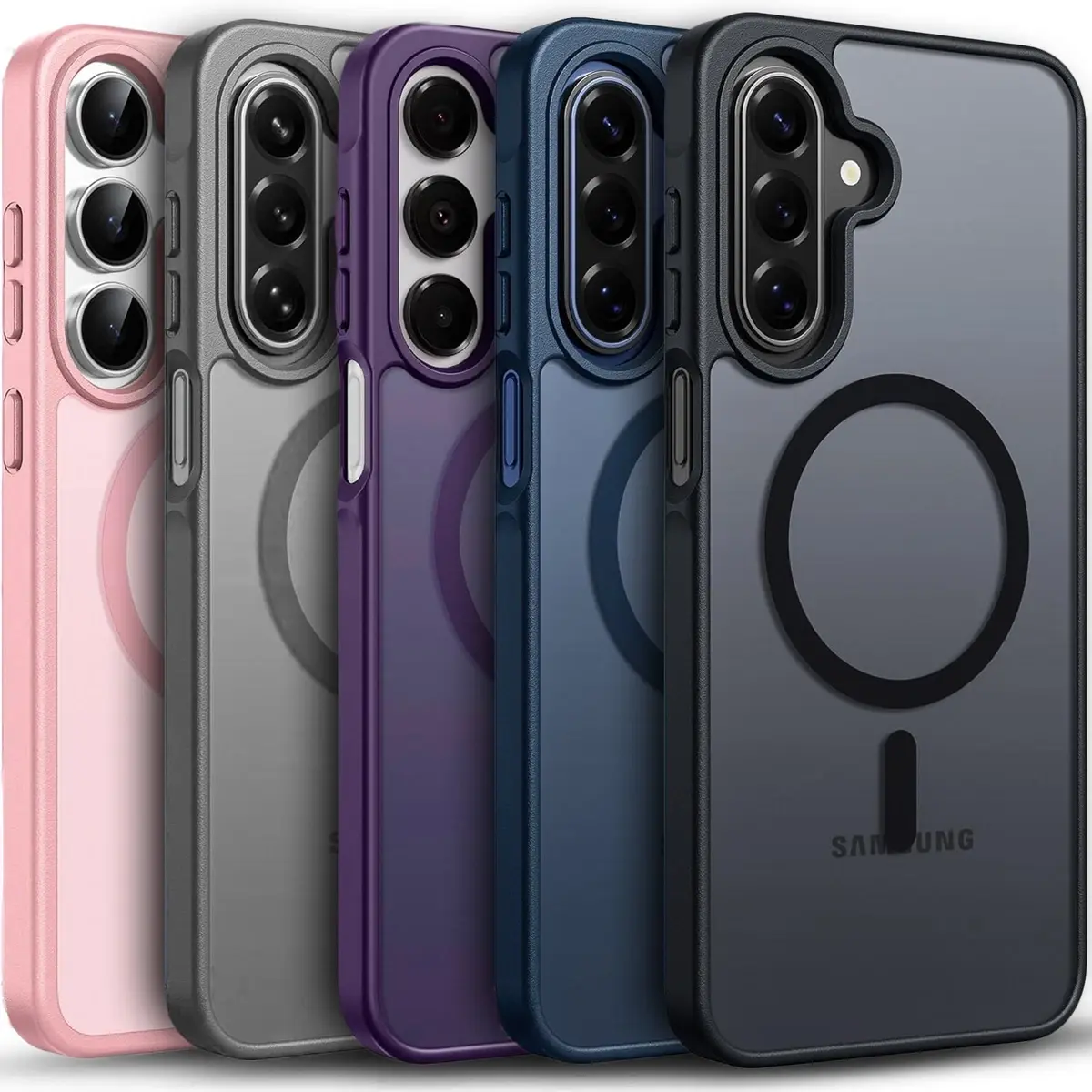
SafeSleeve
Standard Case
Third Party Lab Tested
✔️
❌
EMF radiation blocking
✔️
❌
RFID card protection
✔️
❌
Military drop protection
✔️
some
Built-in card wallet
✔️
❌
Adjustable stand
✔️
❌
Try SafeSleeve Risk-Free for 30 Days
Starting at $69.95 • 30-Day Trial • Free Shipping
Use it for a month. If it doesn’t help, send it back. No questions.
Shop Best Selling Phone Cases Now

We Know SafeSleeve Works. No Results? Your Money Back.
Not loving your case!? That's okay. You can return or exchange it within 30 days, no questions asked. Health should feel easy, flexible, and completely pressure-free.
Rated 4.9 based on 50,000+ reviews